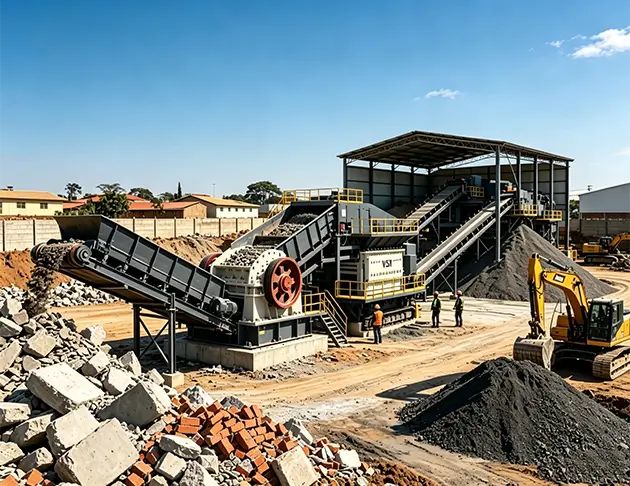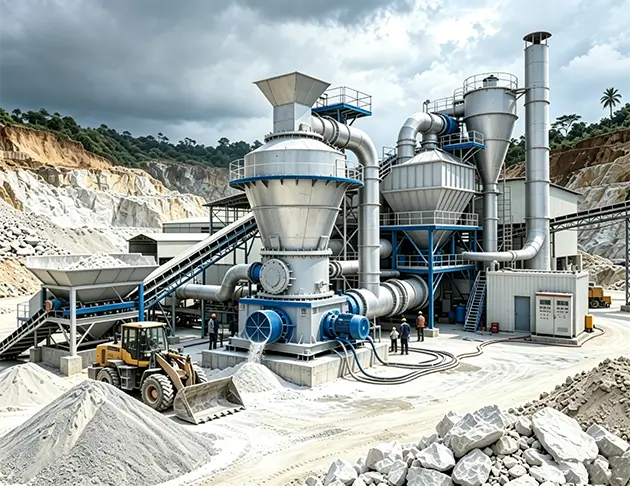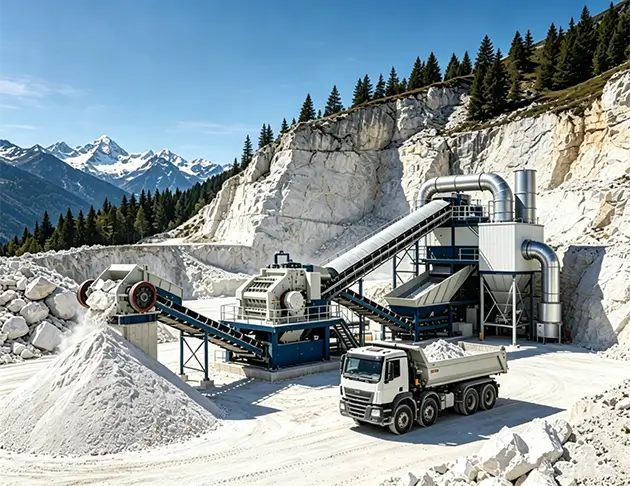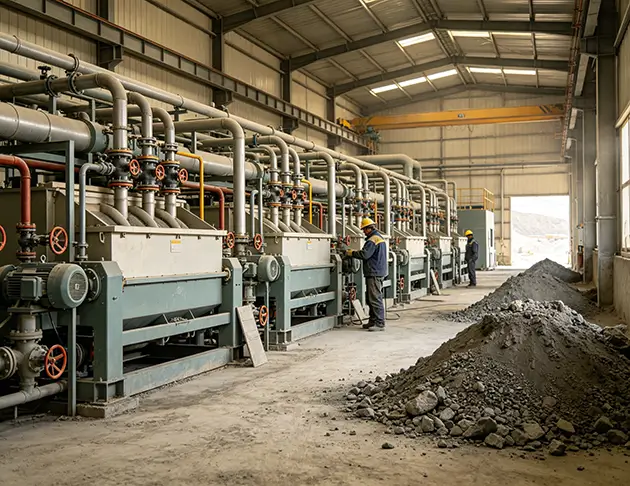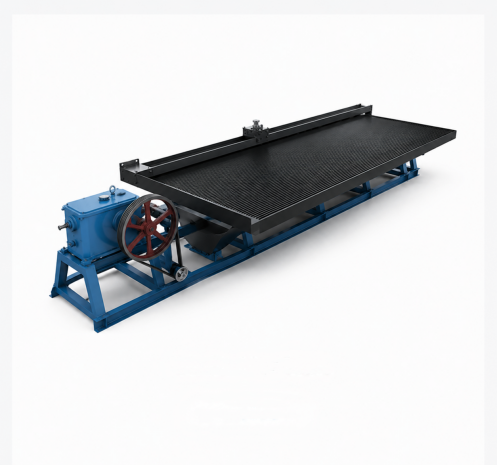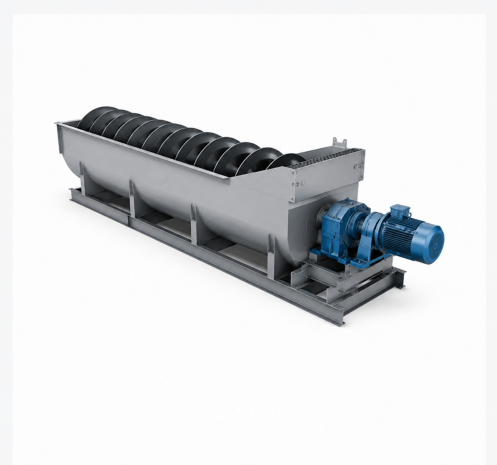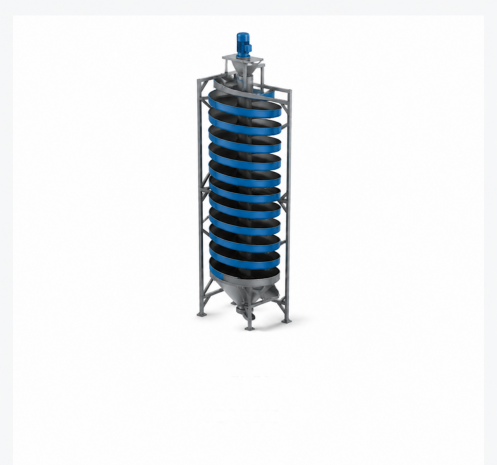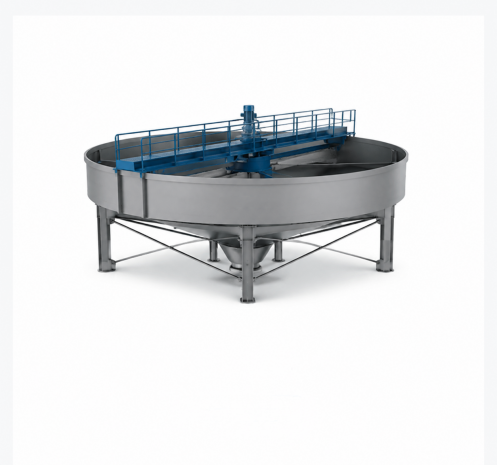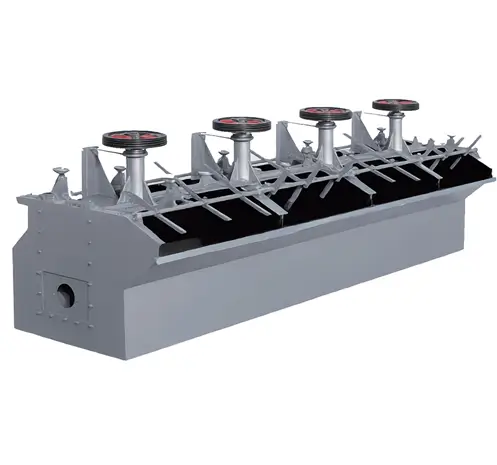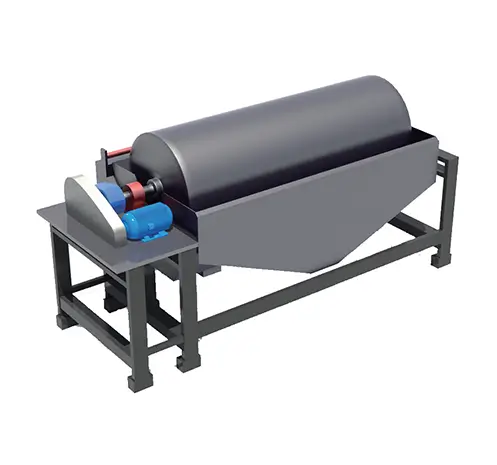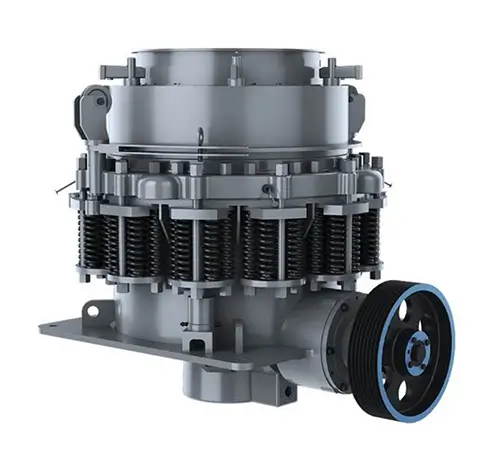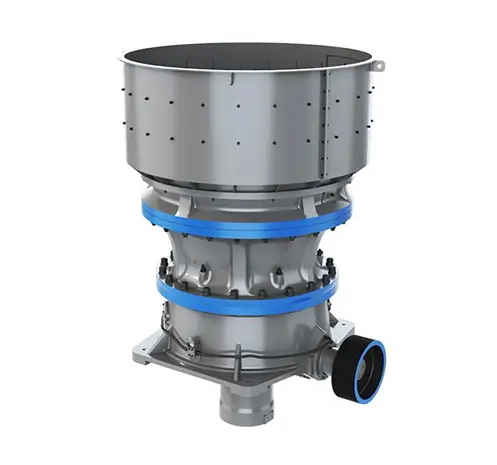

We always focus on optimizing user experience of our products
1.Heavy-duty & 使用寿命长
Reinforced frame and wear-resistant belt design, anti-tear and anti-abrasion. Stable performance under heavy load, greatly reduces replacement and maintenance costs.
2.Large Capacity & Stable Conveying
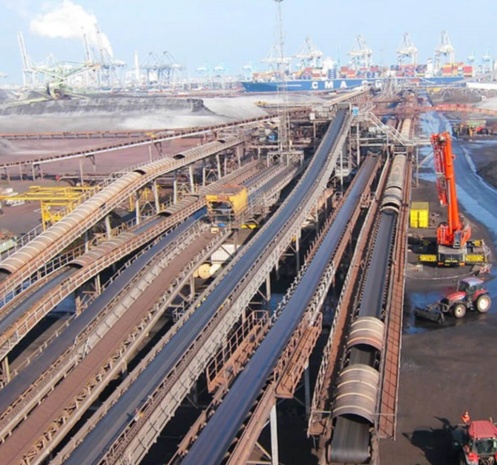
Smooth running, no material spilling or belt deviation. Supports continuous 24h operation, customizable belt width and length to meet high-yield production lines.
3.灵活的 & 安装方便
Supports horizontal and inclined conveying. Flexible layout for outdoor and indoor sites. Easy to assemble and disassemble, perfect match for crushing and screening systems.
4.Low Energy Consumption & 低维护成本
Optimized transmission structure saves power. Modular rollers and simple structure lower failure rate, easy daily inspection and cost-effective long-term operation.
工作原理
The working principle of a belt conveyor is based on friction drive: an electric motor drives a drive drum to rotate via a reducer. The conveyor belt wraps around the drive drum and the idler drum to form a closed loop, and the friction between them keeps the belt running continuously. Material placed on the conveyor belt moves with it, thus achieving continuous transport from the starting point to the end point.
操作期间, idlers support the conveyor belt and the material it carries, reducing running resistance; the tensioning device ensures the belt maintains sufficient initial tension to prevent slippage or deviation. Some advanced models are also equipped with a PLC control system and sensors to achieve real-time monitoring and automatic adjustment of parameters such as speed, tension, and deviation.
产品结构
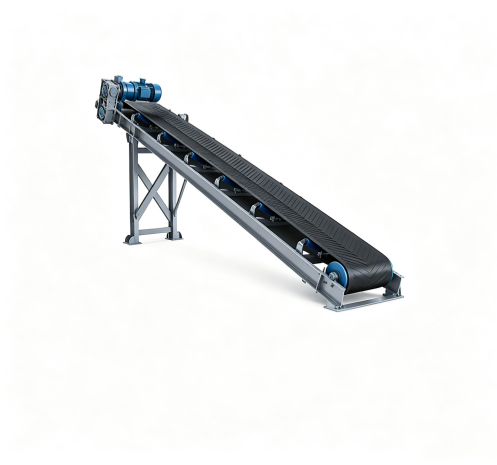
A belt conveyor mainly consists of the following core components:
框架: Supports the entire equipment, typically welded from structural steel, ensuring a stable structure.
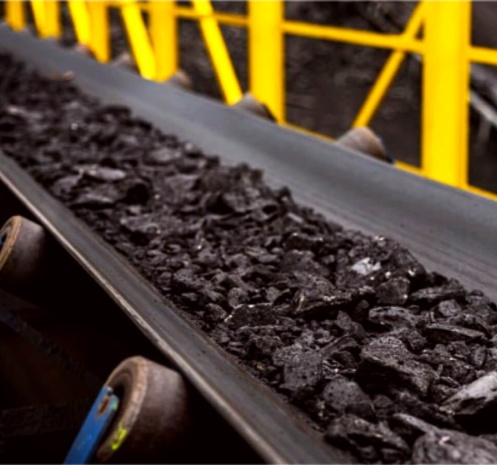
Conveyor Belt: The core component that carries and pulls materials. Materials include rubber, PVC, PU, ETC。, and special types such as wear-resistant, high-temperature resistant, and anti-static can be selected according to working conditions.
Drive Unit: Includes a motor, 减速器, coupling, and drive roller, providing the power source.
Idler Roller: Used to change the direction of belt travel, usually located at the tail end.
Idler Roller Assembly: Divided into load-bearing idlers (upper idlers) and return idlers (lower idlers), supporting the belt and reducing friction loss;
Tensioning Device: Adjusts belt tension through counterweights, screws, or hydraulic pressure to ensure stable operation;
Cleaning Device: Removes residual material from the belt surface, preventing spillage and wear;
Safety Protection System: Includes anti-deviation switches, pull-rope emergency stops, overload protection, ETC。, enhancing operational safety.