latest news
View more
Overview and characteristics of mineral resources in Africa
Time:2026-01-14
Author:
Overview and Characteristics of Mineral Resources in Africa
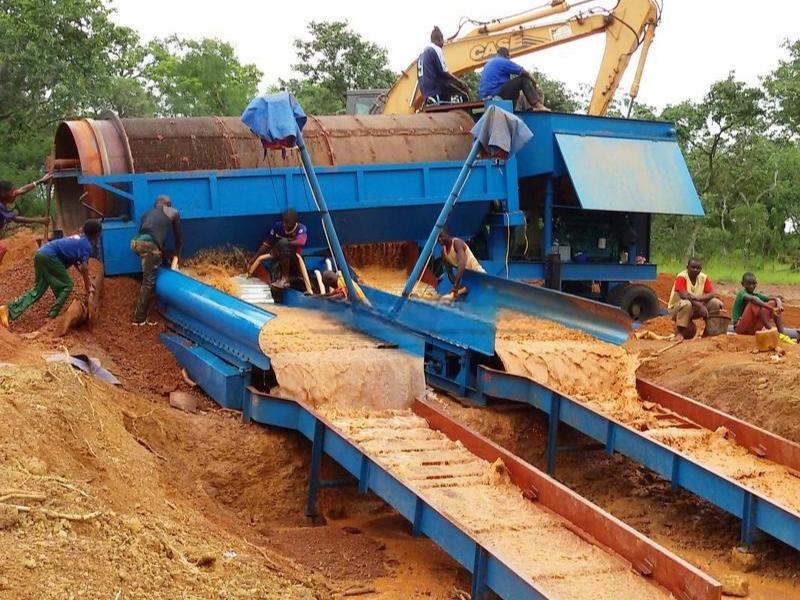
I. Resource Overview: Abundant Reserves and Diverse Varieties
- Significant Global Reserve Share
Africa's total mineral reserves account for over 30% of the global total, encompassing key minerals such as gold, platinum group metals (PGMs), cobalt, chromium, manganese, bauxite, and phosphorus. Specifically:- Gold: Africa holds 40% of global gold reserves, with South Africa leading the world at 19,000 tons, followed by significant distributions in Zimbabwe, Ghana, and the Democratic Republic of the Congo (DRC).
- Platinum Group Metals: Africa accounts for 89% of global PGM reserves, with South Africa being the largest global supplier.
- Cobalt: Africa possesses 50% of global cobalt reserves, primarily concentrated in the Copperbelt region of the DRC and Zambia.
- Chromium: Africa holds 87% of global chromium reserves, with South Africa and Zimbabwe as the main producing regions.
- Bauxite: Guinea boasts 7.4 billion tons of bauxite reserves, representing 25.52% of the global total and ranking second worldwide.
- Huge Potential in Energy Minerals
- Oil and Natural Gas: North African countries such as Libya, Algeria, and Nigeria are major oil producers, with Africa ranking third globally in natural gas reserves.
- New Energy Minerals: Copper and cobalt in the DRC, bauxite in Guinea, and rare earth elements in South Africa and Malawi have emerged as critical resources for the global energy transition.
II. Resource Characteristics: Strengths and Challenges Coexist
- Concentrated Distribution Forming Advantageous Production Areas
- Southern Africa: Centered around South Africa, this region concentrates gold, PGMs, and chromium resources, forming a globally significant mining base.
- Central African Copperbelt: The Copperbelt region in the DRC and Zambia features large reserves and high grades, serving as a crucial supplier of raw materials for global power batteries.
- West African Bauxite Belt: Guinea leads the world in bauxite reserves, becoming the primary import source for China's aluminum industry.
- High Grades and Economic Viability
- African copper ore grades are 1-3 times higher than the global average. For instance, the Kamoa copper mine in the DRC boasts a grade of 4.63%, ensuring low mining costs and strong economic viability.
- High-grade bauxite and chromium resources, coupled with their concentrated distribution, facilitate large-scale development.
- Low Development Intensity and Lagging Industrial Chains
- Mineral development in Africa remains largely at the primary stage, with unrealized resource value. For example:
- The DRC produces 58.6% of global cobalt but lacks deep processing capabilities, relying heavily on raw material exports.
- Guinea produces over 100 million tons of bauxite annually but has virtually no alumina or electrolytic aluminum production capacity.
- Weak infrastructure, technological shortages, and a lack of skilled personnel constrain industrial chain expansion.
- Mineral development in Africa remains largely at the primary stage, with unrealized resource value. For example:
- Intertwined Policy and Geopolitical Risks
- Resource Nationalism: Countries like the DRC and Namibia have strengthened resource control through policies such as higher mineral taxes and mandatory local processing.
- Political Instability: Internal conflicts and wars in some countries undermine mining investment security.
- Infrastructure Deficits: Inadequate transportation, energy, and communication facilities increase mining and transportation costs.
III. Economic Value and Global Impact
- Contribution to African Economies
- Mining as a Pillar Industry: Mining is a cornerstone of many African economies, with mineral exports generating substantial foreign exchange earnings. For example:
- Mining contributes 20-30% of the DRC's GDP.
- Copper mine exports account for over 60% of Zambia's foreign exchange earnings.
- Mining development drives employment, infrastructure construction, and related industries.
- Mining as a Pillar Industry: Mining is a cornerstone of many African economies, with mineral exports generating substantial foreign exchange earnings. For example:
- Position in the Global Supply Chain
- Critical Mineral Supplier: Africa is a major supplier of cobalt, PGMs, and chromium, essential for global new energy and high-end manufacturing industries.
- Energy Transition Hub: As the global energy structure shifts, Africa's copper, aluminum, and lithium resources have seen surging demand, becoming a focal point of global resource competition.
IV. Future Trends and Opportunities
- Growth Driven by New Energy Demand
- Sustained strong demand for copper, cobalt, and lithium in electric vehicles and energy storage will further highlight Africa's resource advantages.
- Copper prices in Africa are projected to rise to $11,000 per ton by 2026, with cobalt and lithium demand remaining high.
- Innovation in Investment and Cooperation Models
- Deepening China-Africa Cooperation: Chinese enterprises leverage advantages in green mining technologies and localized services, combined with the "resources + infrastructure + finance" model promoted by the Forum on China-Africa Cooperation, to establish unique competitive barriers.
- International Capital Inflow: Despite risks, Africa's mining sector continues to attract significant international investment, with foreign capital inflows reaching $97 billion in 2024.
- Sustainable Development as a Core Focus
- African countries are guiding mining development toward deep processing and industrial clustering through policy incentives.
- Enhanced cooperation between international enterprises and African mining sectors introduces advanced mining technologies, digital solutions, and sustainable practices.
Equipment Knowledge
View more
2026-01-14
2026-01-14
Best Sellers
View more products