latest news
View more
What are some common malfunctions or problems with flotation equipment?
Time:2026-01-14
Author:
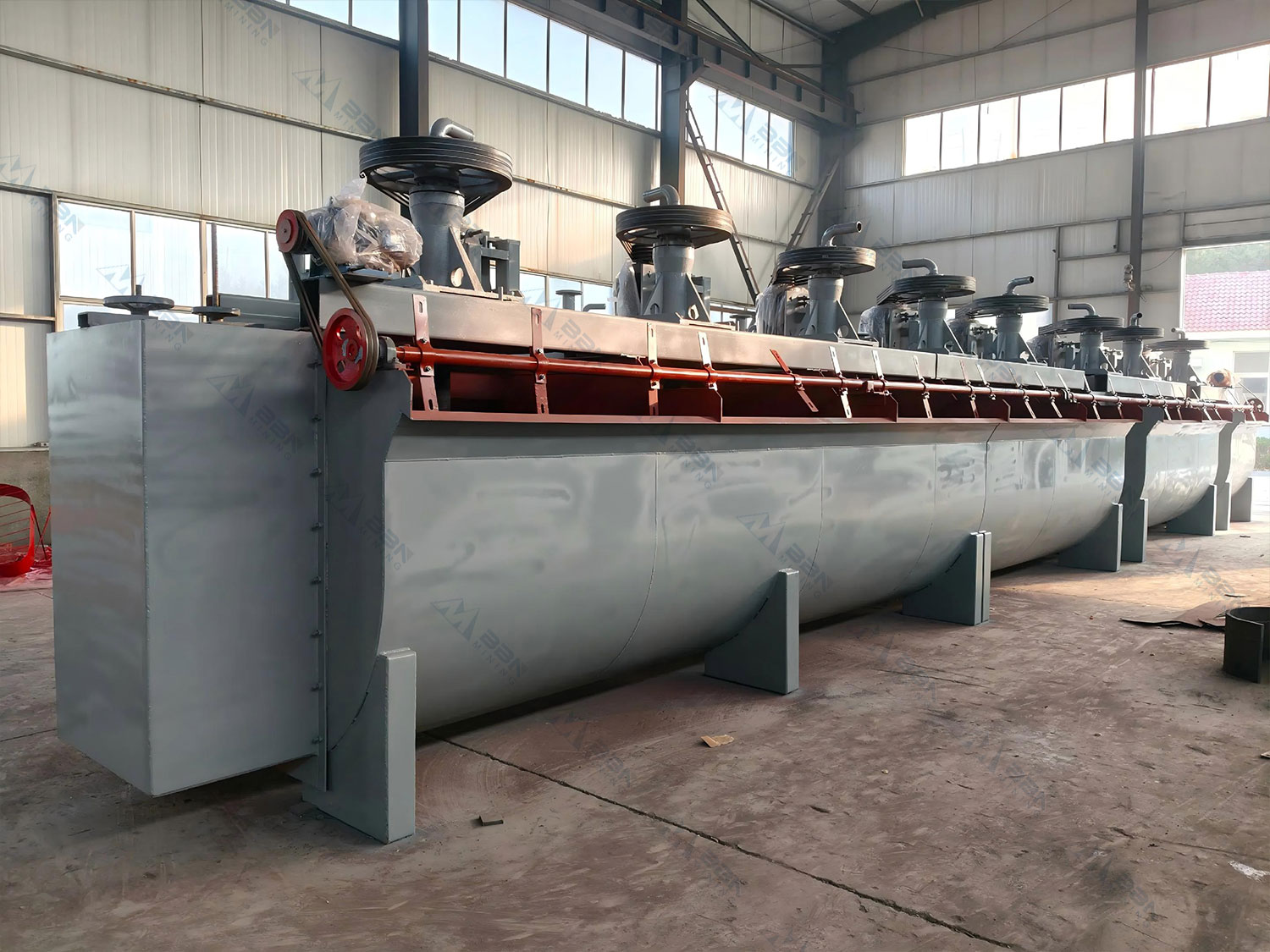
Common failures or issues that may arise during the operation of flotation equipment can be categorized into mechanical failures, process failures, electrical and control failures, as well as other problems, as detailed below:
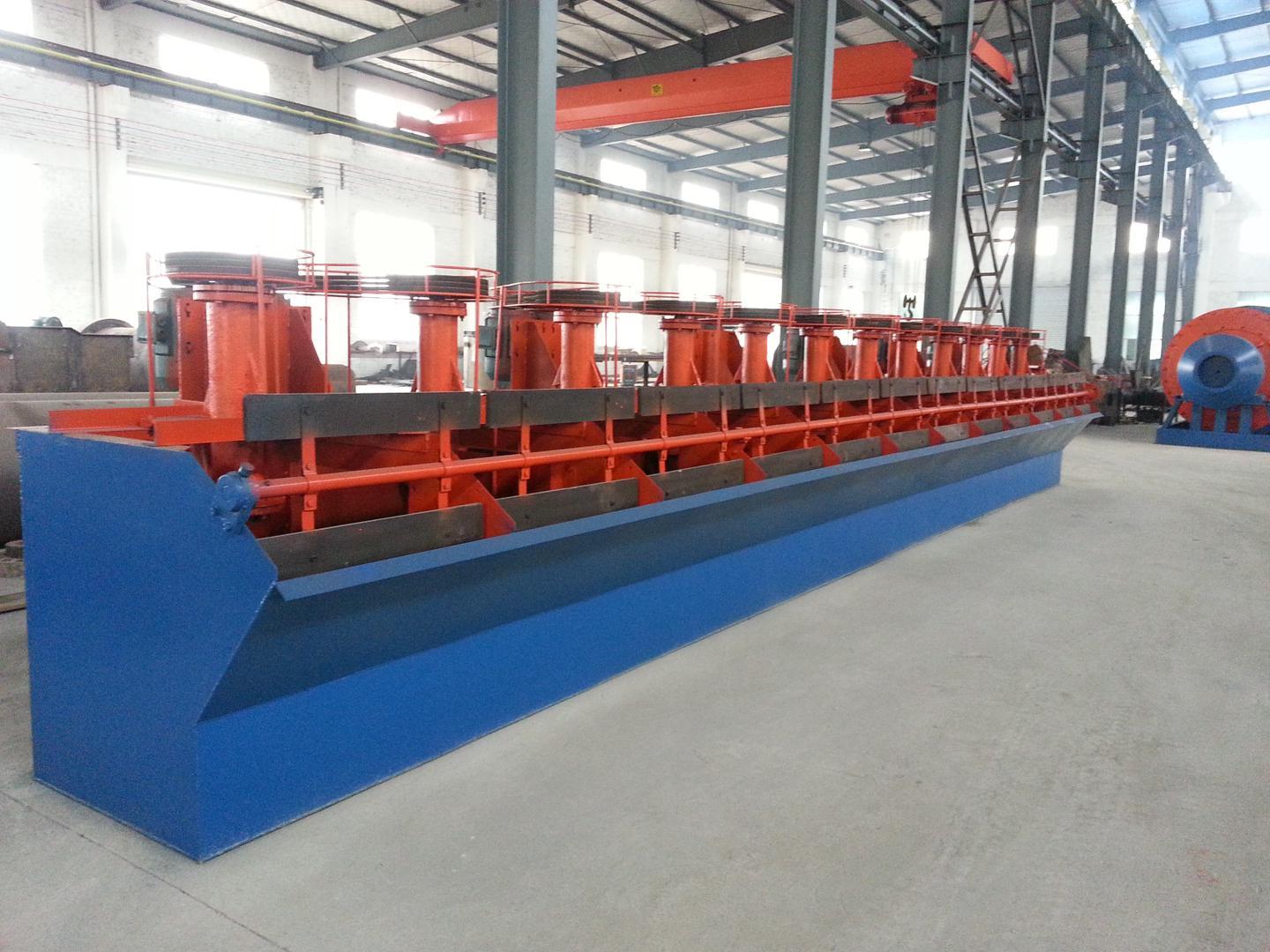
I. Mechanical Failures
- Impeller Wear or Blockage
-
- Symptoms: Decreased aeration, insufficient agitation, and deteriorated flotation performance.
- Causes: Wear on the impeller due to prolonged operation, or blockage by debris in the ore pulp.
- Treatment: Shut down the equipment to inspect the impeller and stator for wear, clear any blockages; replace worn components and regularly remove debris from the ore pulp.
- Bearing Overheating or Damage
-
- Symptoms: Abnormal equipment vibration, increased noise, and excessive bearing temperature.
- Causes: Insufficient or contaminated lubricating grease, misaligned or improperly installed bearings.
- Treatment: Replenish or replace the lubricating grease, correct the bearing installation position; replace the bearings if severely damaged.
- Tank Leakage
-
- Symptoms: Ore pulp leakage and unstable liquid levels.
- Causes: Damaged welds, worn rubber linings, or loose bolts.
- Treatment: Repair welds or replace rubber linings, tighten bolts.
- Scraper Mechanism Failure
-
- Symptoms: Inflexible rotation of the scraper shaft, broken shaft, high motor temperature, motor deceleration, and oil leakage from the reducer.
- Causes: Damage to components such as bearings and couplings in the scraper mechanism, or bending and deformation of the scraper shaft.
- Treatment: Inspect and replace damaged components, straighten the scraper shaft; if the scraper shaft is broken, replace it with a new one and avoid welding it for continued use.
II. Process Failures
- Insufficient Aeration
-
- Symptoms: Reduced bubble quantity and decreased mineral recovery.
- Causes: Inadequate blower pressure, blocked air ducts, or improper opening of the air regulation valve.
- Treatment: Clear the air ducts, adjust the blower pressure, and ensure the valve opening is appropriate.
- Abnormal Foam (Excessive or Insufficient)
-
- Symptoms: Excessively thick foam layer or difficulty in foam formation.
- Causes: Improper dosage of reagents (excessive or insufficient frothing agents and collectors), unsuitable ore pulp pH or concentration.
- Treatment: Adjust the reagent dosage, control the ore pulp pH within a reasonable range (e.g., 6-9), and optimize the ore pulp concentration.
- Unstable Ore Pulp Liquid Level
-
- Symptoms: Significant fluctuations in liquid level, affecting separation efficiency.
- Causes: Uneven ore feed rate, blocked or malfunctioning discharge valves.
- Treatment: Stabilize the ore feed rate, clean or replace the valves.
III. Electrical and Control Failures
- Motor Overload or Tripping
-
- Symptoms: Motor heating and abnormal current.
- Causes: Excessive load (e.g., impeller jamming), unstable voltage.
- Treatment: Reduce the load, eliminate mechanical jamming, and inspect the circuit.
- Automatic Control System Failure
-
- Symptoms: Loss of control over parameters such as liquid level and reagent addition.
- Causes: Sensor (e.g., liquid level meter, flow meter) failure, abnormal PLC program.
- Treatment: Calibrate or replace the sensors, restart or repair the control system.
IV. Other Common Problems
- Ore Pulp Short-Circuiting (Overflow)
-
- Causes: Damaged or improperly designed baffles between tanks.
- Treatment: Repair the baffles and adjust the ore pulp flow direction.
- Poor Reagent Performance
-
- Causes: Expired reagents, insufficient agitation.
- Treatment: Replace the reagents and optimize the agitation intensity.
Equipment Knowledge
View more
2026-01-14
2026-01-14
Best Sellers
View more products