latest news
View more
Factors Influencing the Output of Sand Washing Machines
Time:2026-01-14
Author:
A sand washing machine, also known as a stone washing machine or water-washing sand equipment, is a machine used to remove impurities and dust from sand products. However, due to the different types of sand washing machines and the varying sand and gravel materials they process, the output of sand washing machines varies. The output capacity of sand washing machines has always been a concern for users. So, what are the factors influencing the output of sand washing machines? The detailed information is as follows:
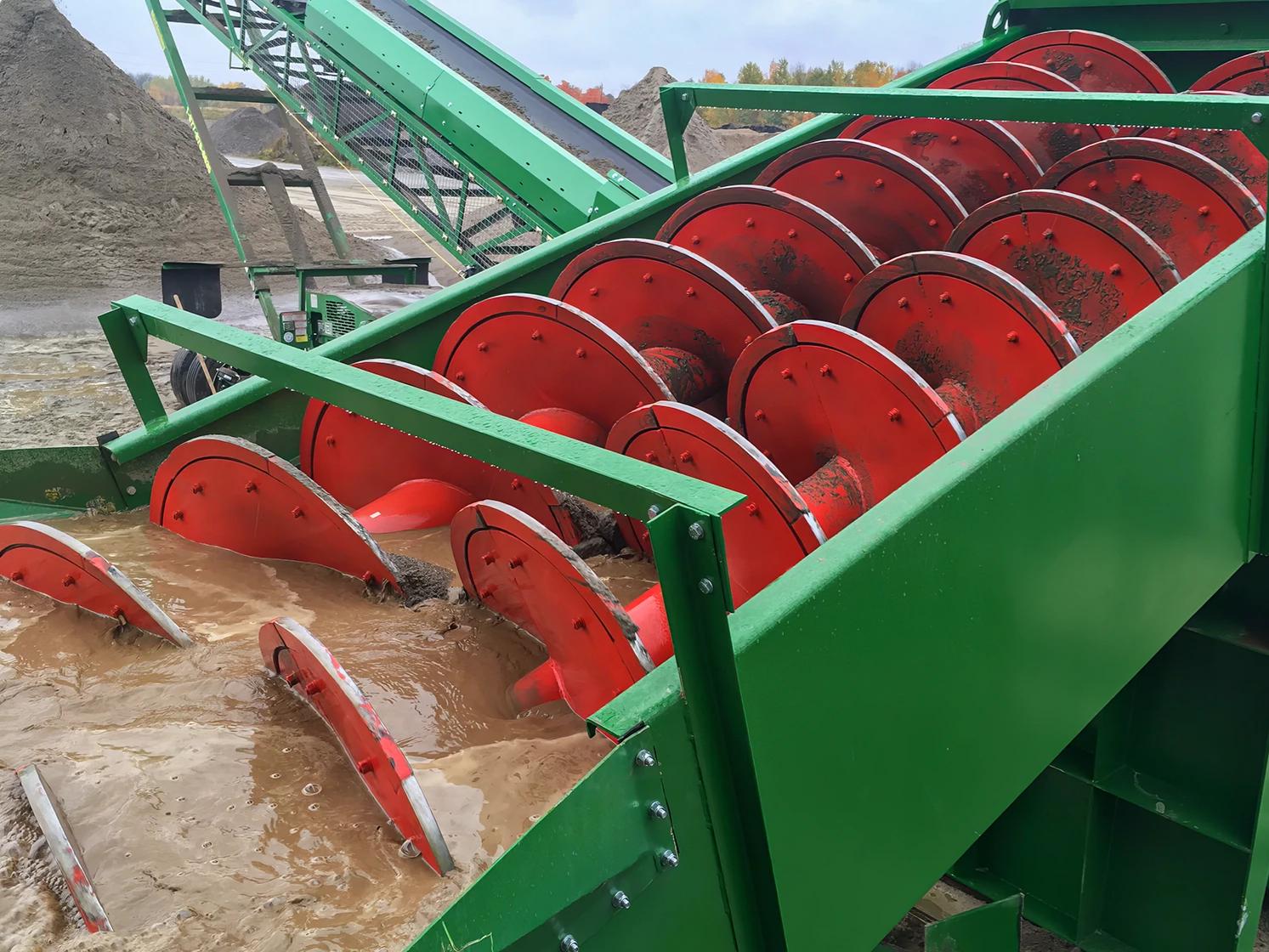
-
Model of the Sand Washing Machine
The type and model size of the sand washing machine have an impact on its production capacity. Even among sand washing machines of the same type, larger-sized models generally have higher production capacities. -
Quality of the Sand Washing Machine
The output capacity of a sand washing machine is related to the quality of the equipment itself. For the same product, differences in equipment quality can lead to significant variations in production output. -
Material Characteristics
The hardness, mud content, and particle size of the sand and gravel materials all affect the output of the sand washing machine. Harder materials, those with higher mud content, and larger particle sizes result in lower production capacities. Additionally, when processing materials with high moisture content or mud, it can easily cause adhesion and blockage in the crushing chamber, significantly impacting the equipment's productivity.
The above are several factors influencing the output capacity of sand washing machines, as introduced by Bangda Heavy Industry. In addition to these reasons, there are also factors inherent to the sand washing machine itself. It is important to pay attention to equipment maintenance and ensure that operators follow proper operating procedures when using the sand washing machine for production.
Equipment Knowledge
View more
2026-01-14
2026-01-14
Best Sellers
View more products