latest news
View more
Knowledge of maintenance and upkeep of mineral processing equipment
Time:2026-01-14
Author:
The maintenance and upkeep of mineral processing equipment are crucial for ensuring its efficient and stable operation, extending its service life, and enhancing production efficiency. Here is some core knowledge on the subject:
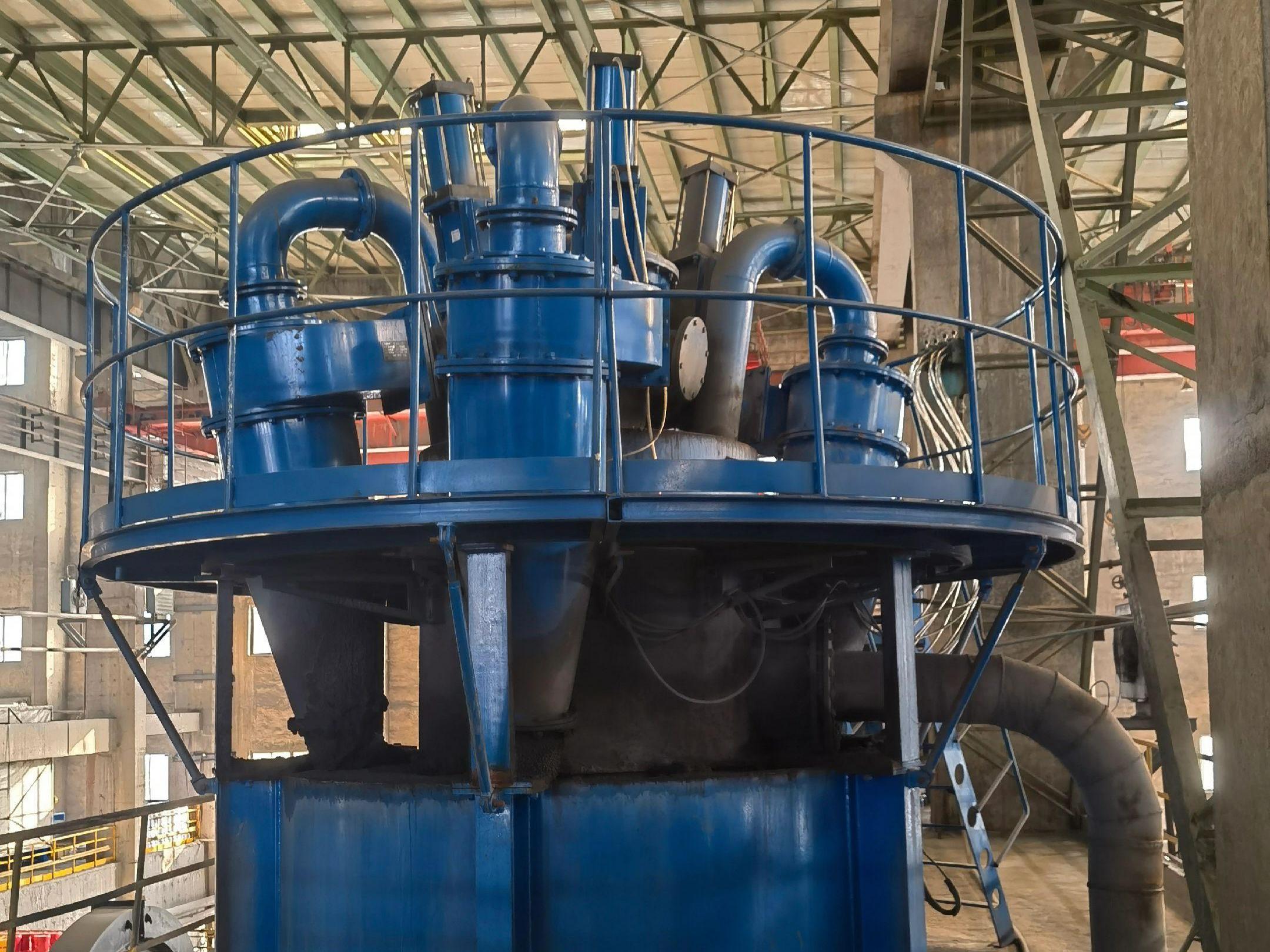
I. Daily Maintenance and Upkeep
- Equipment Cleaning
- Regularly clean dust, oil stains, and ore residue from the equipment's surface to maintain cleanliness and prevent wear and corrosion of equipment components.
- Pay special attention to cleaning critical parts of the equipment, such as bearings and motors, to prevent the accumulation of dust and oil that could affect operation.
- Lubrication Maintenance
- Regularly inspect the equipment's lubrication system to ensure an adequate and clean supply of lubricating oil or grease.
- Replace lubricating oil or grease periodically based on equipment usage to reduce friction and wear.
- Regularly check the working condition of the lubrication system, including oil pumps, oil pipes, and oil tanks, to ensure normal operation.
- Fastener Inspection
- Fasteners may loosen due to vibration during equipment operation. Regularly inspect all fasteners on the equipment to ensure they are secure and prevent equipment failures caused by loosening.
- Electrical System Inspection
- The electrical system is the core part of equipment operation. Regularly inspect the wiring, switches, and controllers of the electrical system to ensure normal operation and prevent equipment downtime caused by electrical failures.
- Pay special attention to checking the operating temperature and ventilation of electrical components to prevent equipment failures caused by overheating.
- Operating Status Monitoring
- Monitor the equipment's operating status, such as temperature, vibration, and noise, during operation, and promptly address any abnormalities detected.
II. Periodic Maintenance and Upkeep
- Component Replacement
- Regularly replace severely worn components, such as bearings, belts, and screens, based on equipment usage to prevent equipment failures.
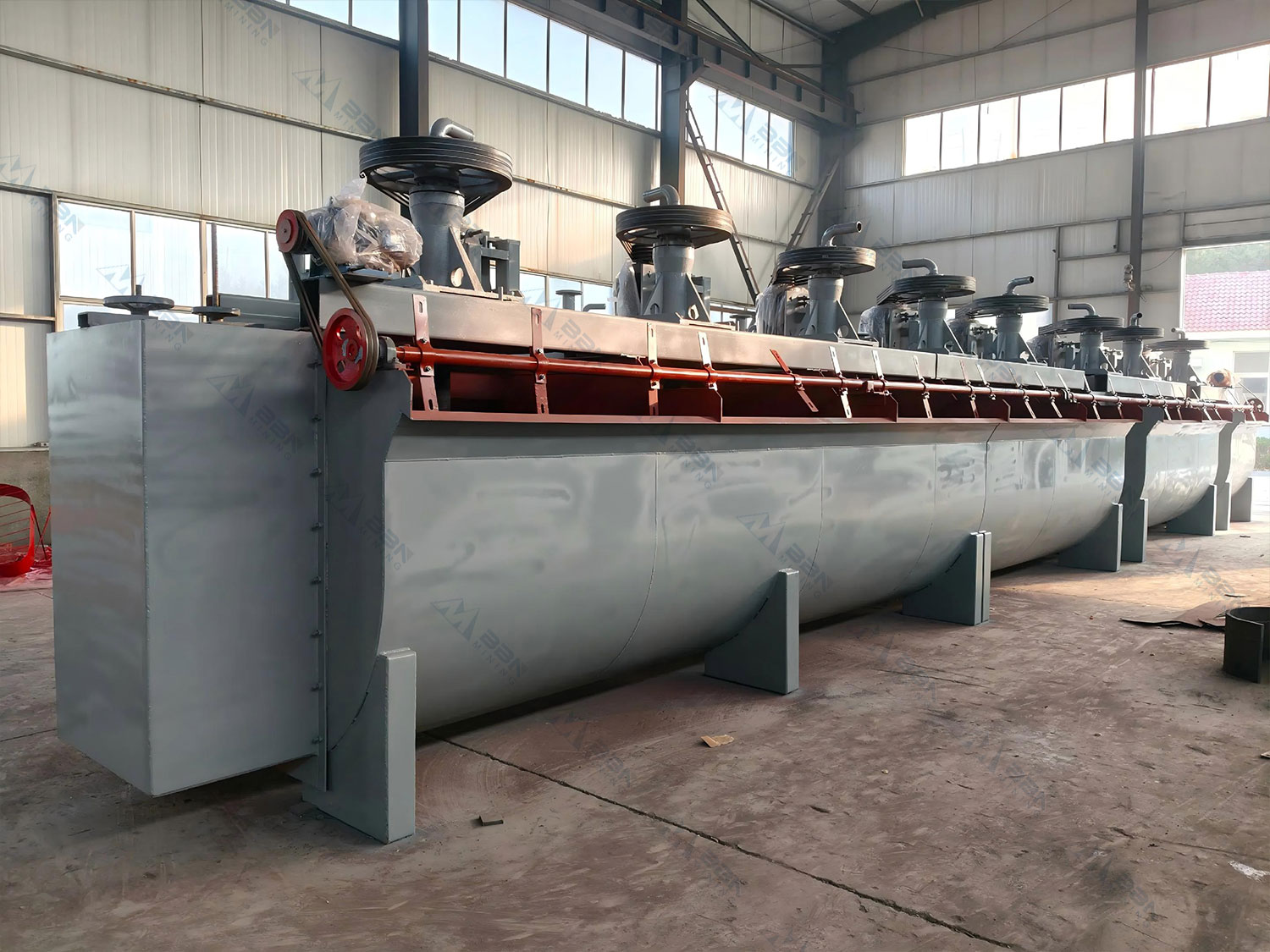
- For core equipment like flotation machines, it is recommended to replace components such as impellers and stators every 6 months to 1 year.
- Deep Cleaning
- Regularly perform deep cleaning of the equipment, such as cleaning the tank and pipes of flotation machines, to remove impurities and sediments from the ore pulp and prevent them from adhering to the inner walls of the equipment and affecting normal operation.
- System Inspection and Adjustment
- Regularly conduct a comprehensive inspection of the equipment to detect its working condition and operating parameters, and make necessary adjustments and repairs.
- For example, inspect and adjust the bubble generator and bubble distributor of flotation machines to ensure normal operation and uniform bubble distribution.
III. Fault Prevention and Handling
- Develop Emergency Response Plans
- Develop emergency response plans for potential sudden failures, clarifying the steps for troubleshooting and handling, as well as emergency measures for different failure scenarios.
- Master Fault Troubleshooting Methods
- Use scientific troubleshooting methods, such as step-by-step troubleshooting and instrument detection, to identify the cause of failures.
- Based on the troubleshooting results, take corresponding repair measures to promptly restore the normal operation of problematic components.
- Record and Analysis
- Establish a recording system for equipment operating parameters and regularly analyze the equipment's operating condition to promptly identify problems and take measures.
- Optimize equipment operating parameters through data analysis to improve equipment efficiency and lifespan.
IV. Maintenance and Upkeep Management
- Develop Maintenance Plans
- Develop detailed maintenance plans based on the importance and workload of the equipment, specifying the maintenance frequency and time nodes for each piece of equipment.
- Arrange daily inspections, periodic maintenance, and overhaul plans reasonably to ensure that each piece of equipment receives sufficient maintenance.
- Establish Maintenance Task Lists
- List the specific tasks to be completed during each maintenance session item by item to ensure the comprehensiveness and systematicness of maintenance work.
- The task list should cover all critical parts and important functions of the equipment to ensure no omissions.
- Spare Parts Management
- Reasonably manage the inventory of commonly used spare parts to ensure rapid replacement in the event of equipment failures and minimize downtime.
- Establish an inventory management system for spare parts and promptly replenish commonly used spare parts to avoid maintenance delays caused by spare part shortages.
- Personnel Training
- Regularly train operators to improve their operational skills and maintenance awareness.
- Training content should include basic equipment operation, daily maintenance methods, and fault handling techniques.
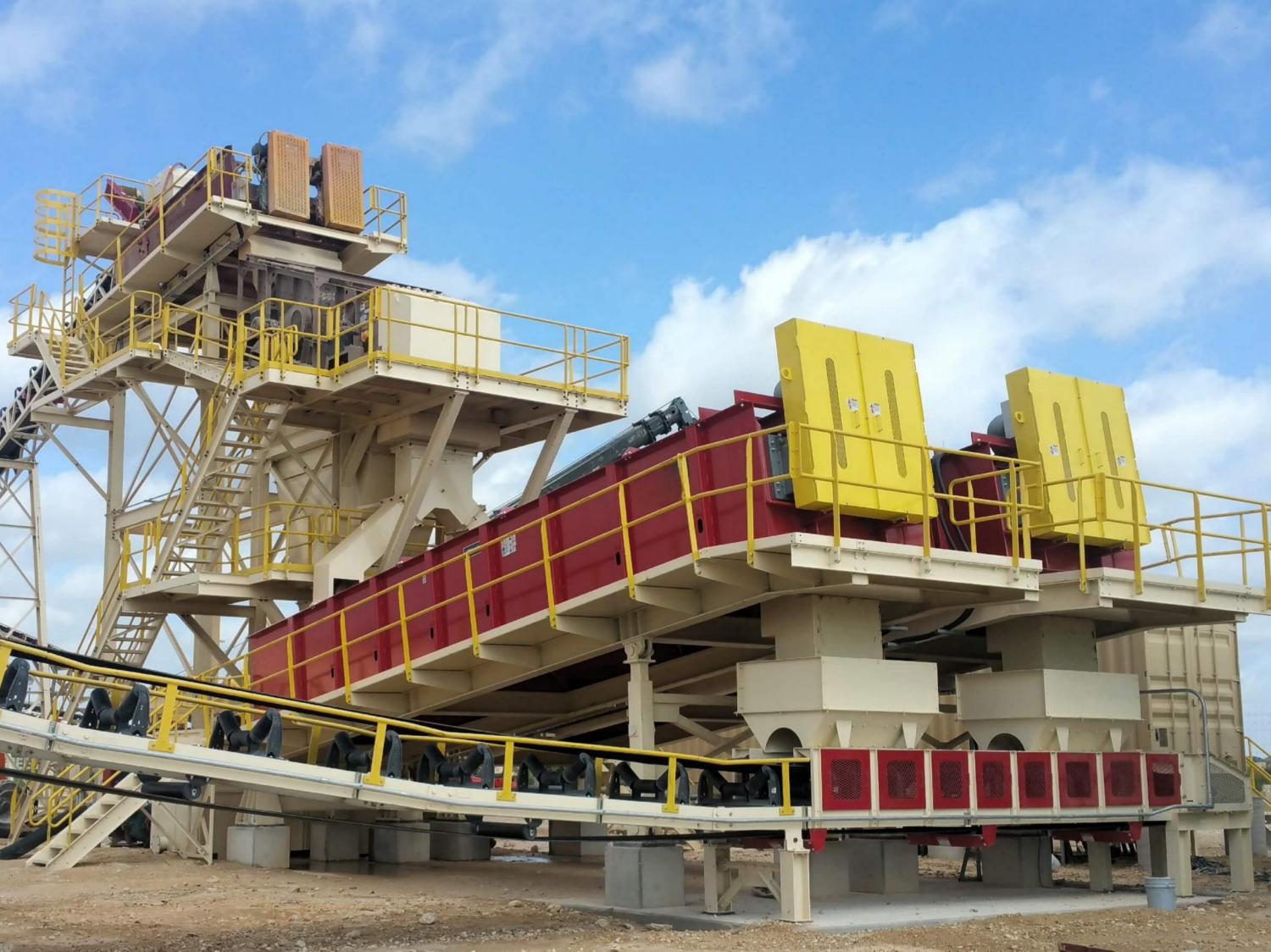
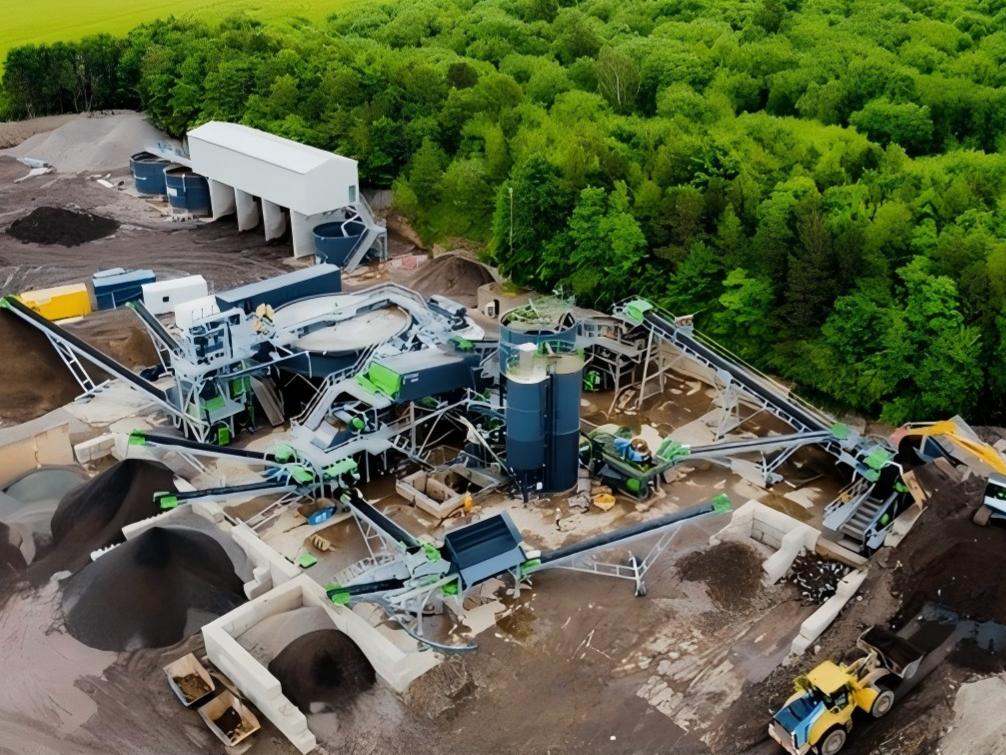
Equipment Knowledge
View more
2026-01-14
2026-01-14
Best Sellers
View more products