latest news
View more
Advantages of Flotation Process and Metals Applicable to Flotation Methods
Time:2026-01-15
Author:
Flotation is one of the most widely applied methods in metal ore beneficiation. Its core principle relies on the differences in the physicochemical properties of mineral surfaces, using air bubbles as carriers to achieve selective separation of minerals. Below is an analysis of its technical advantages and application scenarios: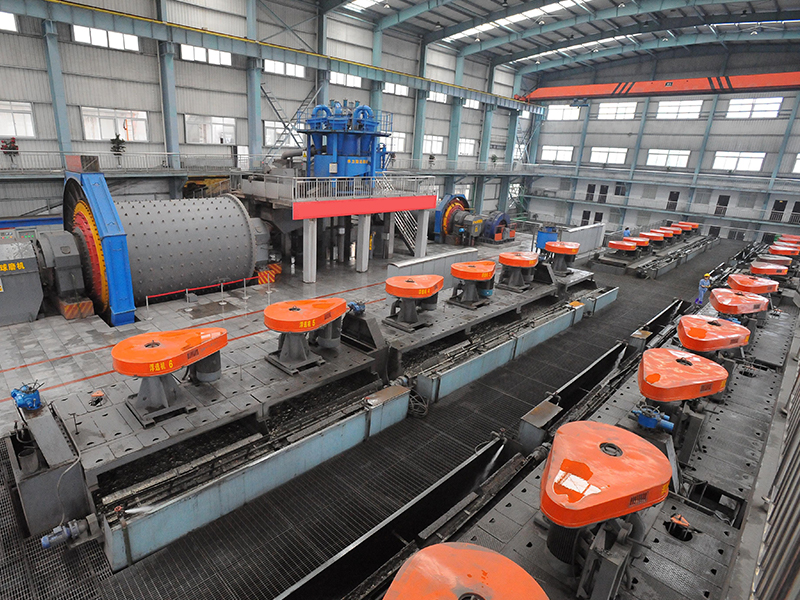
I. Core Advantages of the Flotation Process
-
High Selective Separation Capability
Flotation enables precise separation of finely disseminated minerals with complex associations by adjusting reagent regimes (collectors, frothers, depressants, etc.). For example, in copper-lead-zinc sulfide ores, copper can be preferentially floated first, followed by sequential separation of lead and zinc, achieving recovery rates exceeding 85%. -
Strong Adaptability and Wide Processing Range
- Particle Size Range: Handles fine particles from 0.01 mm to 0.5 mm, particularly suitable for micro-grained disseminated ores (e.g., free gold in gold ores, oxidized copper ores).
- Ore Types: Applicable to sulfide ores (e.g., copper, lead, zinc), oxide ores (e.g., copper, lead, zinc oxides), non-sulfide ores (e.g., fluorite, apatite), and precious metals (gold, silver).
- Complex Associated Ores: Effective for separating polymetallic ores (e.g., copper-molybdenum, lead-zinc).
-
Low Energy Consumption and Controllable Costs
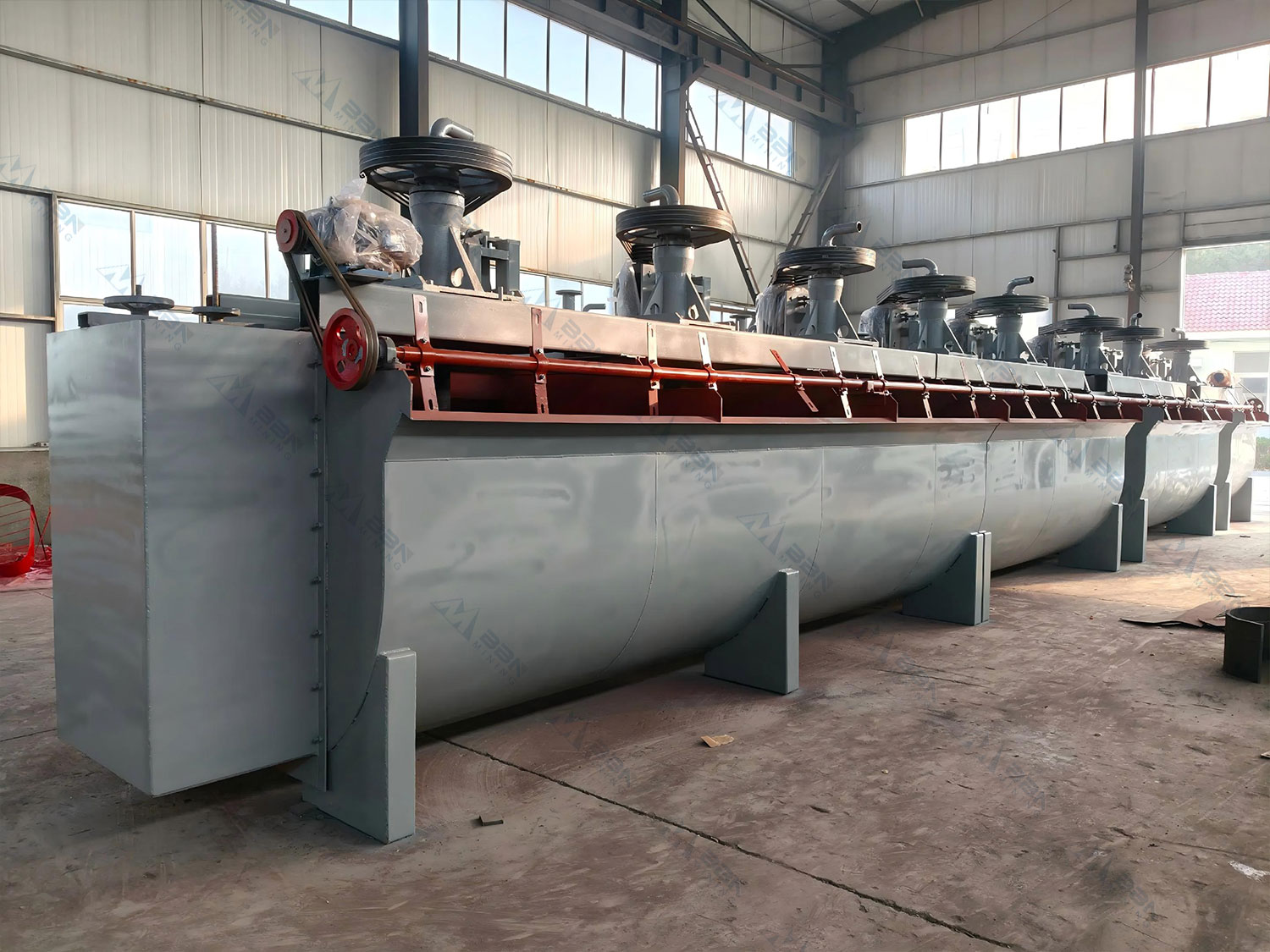
Compared to gravity and magnetic separation, flotation equipment (e.g., flotation machines) consumes less energy. Additionally, reagent optimization can reduce grinding fineness requirements, further lowering energy consumption. For instance, a copper mine reduced grinding energy by 20% while improving recovery by 3 percentage points through flotation. -
Improving Environmental Performance
Modern flotation processes minimize wastewater discharge and heavy metal pollution by developing non-toxic/low-toxicity reagents (e.g., hydroxamic acid collectors replacing xanthates) and tailings water recycling technologies. For example, a lead-zinc mine reduced lead ion concentration in tailings water by 60% using a new depressant. -
Flexible Process Design and Scalability
Flotation flowsheets can be flexibly adjusted (e.g., preferential flotation, bulk flotation, differential flotation) to suit varying ore properties. Modular equipment design also facilitates large-scale production, with single-line daily processing capacities reaching up to 10,000 tons.
II. Metal Ore Types Suitable for Flotation
- Sulfide Ores
- Copper Ores: Chalcopyrite, bornite, etc., are floated after activation with sodium sulfide, achieving recovery rates above 90%.
- Lead-Zinc Ores: Galena and sphalerite are separated by depressing zinc minerals with lime for preferential lead flotation.
- Nickel Ores: Pentlandite is separated from gangue by controlling pH and collectors.
- Molybdenum Ores: Molybdenite is floated using kerosene as a collector, with recovery rates of 85–90%.
- Oxide Ores
- Oxidized Copper Ores: Malachite and azurite are sulfided (with sodium sulfide) before flotation, achieving recovery rates of 70–80%.
- Oxidized Lead-Zinc Ores: Cerussite and smithsonite are directly floated using fatty acid collectors.
- Iron Ores: Hematite and siderite are upgraded by reverse flotation to remove silicate gangue, improving iron concentrate grades.
- Precious Metals
- Gold Ores: Free gold is recovered via flotation of gold-bearing pyrite, combined with cyanide leaching for comprehensive recovery rates exceeding 95%.
- Silver Ores: Often associated with lead-zinc ores, silver is separated and further purified after flotation.
- Rare Metals
- Lithium Ores: Spodumene and lepidolite are separated from quartz and feldspar by adjusting pH and collectors.
- Tungsten Ores: Scheelite is floated using fatty acid collectors at elevated temperatures.
- Rare Earth Ores: Bastnäsite is selectively floated by adjusting pulp potential.
III. Typical Case Studies
- Copper-Molybdenum Separation: A large copper-molybdenum mine adopted a "bulk copper-molybdenum flotation—copper-molybdenum separation" flowsheet, using sodium silicate to depress silicate gangue and sodium sulfide + water glass to depress copper minerals, achieving molybdenum concentrate grades above 45% Li₂O.
- Gold Ore Flotation: A refractory gold mine improved gold recovery from 60% (traditional gravity separation) to 92% using a "flotation + cyanide leaching" combined process.
- Lepidolite Lithium Extraction: A lithium mine in Jiangxi adjusted flotation pH to 9–10 and used sodium oleate as a collector, achieving 85% lithium recovery with Li₂O grades ≥4.5% in the concentrate.
Summary
The flotation process stands out as a core method in metal ore beneficiation due to its high selectivity, strong adaptability, low cost, and environmental benefits. It is particularly effective for sulfide ores, oxide ores, precious metals, and rare metals. With advancements in novel reagents and intelligent control technologies, flotation will further enhance its advantages in processing complex and refractory ores.

Equipment Knowledge
View more
2026-01-14
2026-01-14
Best Sellers
View more products