latest news
View more
What does the molybdenum ore beneficiation process look out like?
Time:2026-01-15
Author:
The molybdenum ore beneficiation process is a complex and meticulous procedure aimed at extracting high-purity molybdenum concentrate from molybdenum ore through physical and chemical methods. Below is a detailed introduction to the molybdenum ore beneficiation process:
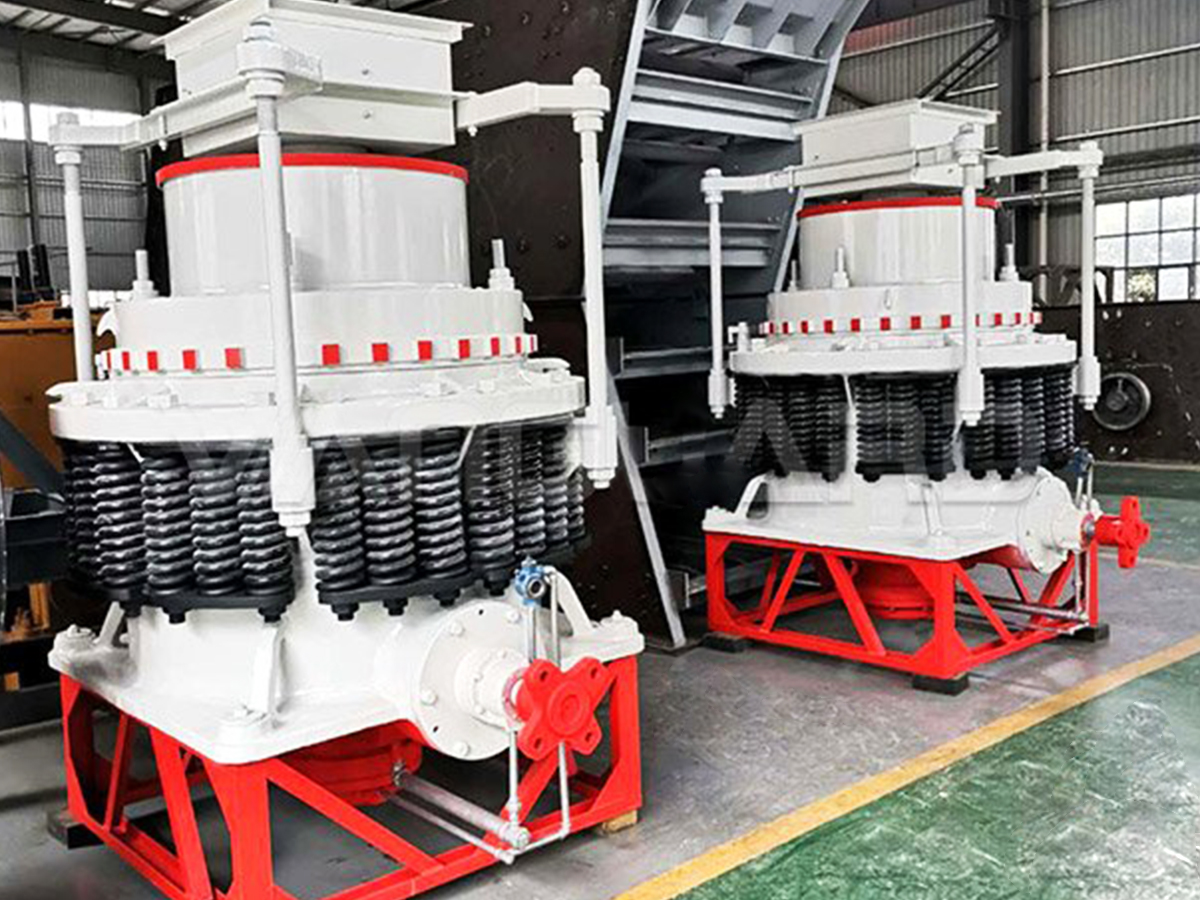
1. Ore Crushing
- Purpose: To reduce large ore blocks to a suitable particle size for subsequent processing.
- Process:
- Primary Crushing: Typically carried out using jaw crushers or gyratory crushers to break large ore blocks into smaller particles.
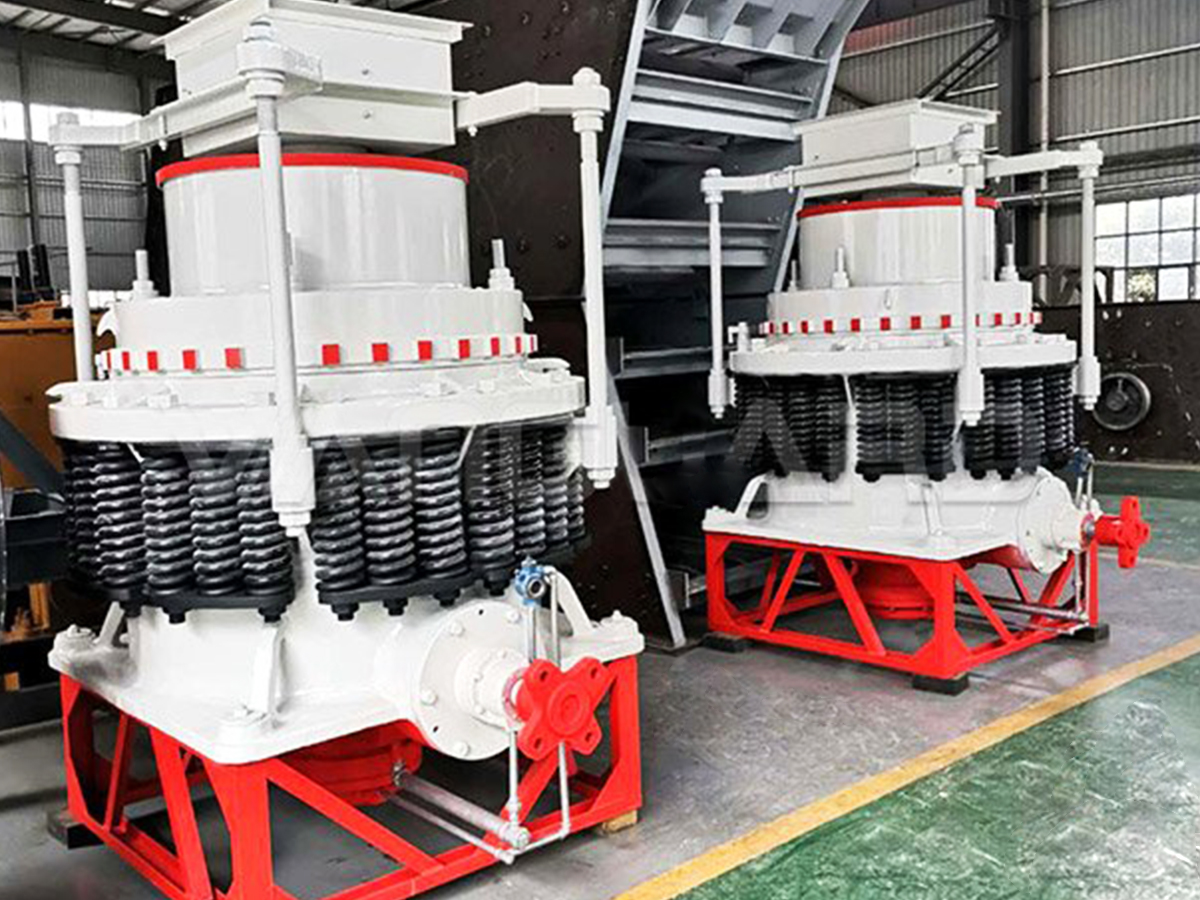
- Secondary and Tertiary Crushing: Conducted using cone crushers or impact crushers to further crush the ore to a particle size suitable for grinding mills.
- Notes:
- Control the crushing ratio to prevent excessive crushing and loss of valuable minerals.
- Focus on efficient energy utilization to improve crushing efficiency.
2. Ore Grinding
- Purpose: To further refine the crushed ore, enabling sufficient dissociation of molybdenum minerals from associated gangue.
- Process:
- Grinding: Common grinding equipment includes ball mills, rod mills, and autogenous mills. Grinding is achieved through the mutual impact and grinding action of steel balls and ore.
- Control Parameters: Precise control of grinding concentration, media ratio, and grinding time is required to ensure optimal grinding results.
- Notes:
- Monitor energy consumption during grinding to achieve energy efficiency and environmental protection.
- Avoid over-grinding to minimize the loss of valuable minerals.
3. Classification and Washing
- Purpose: To classify the ground ore pulp by particle size and wash away mud and other fine-grained gangue attached to the mineral surfaces.
- Process:
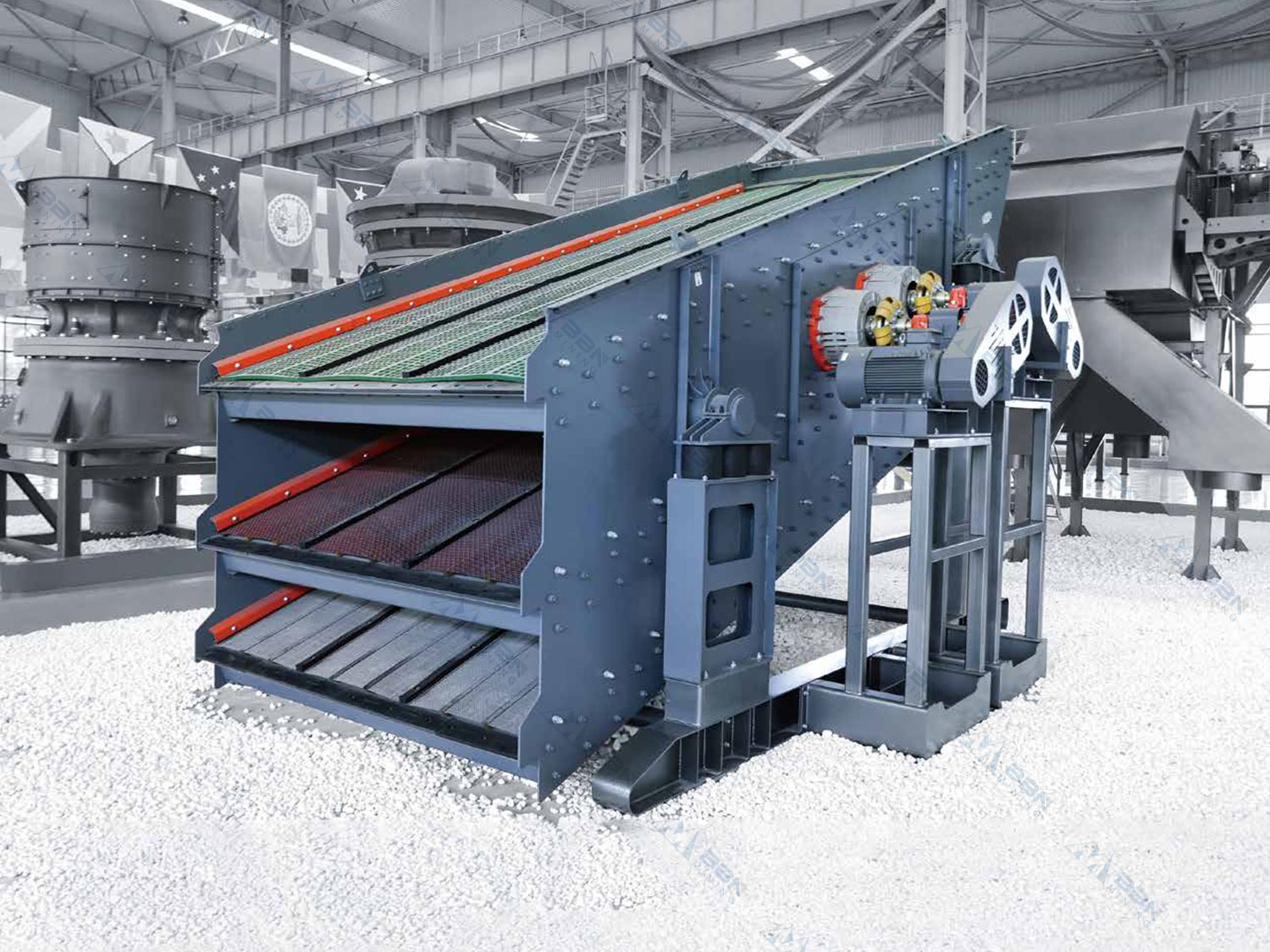
- Classification: Vibrating screens or hydrocyclones are used to separate coarse and fine particles in the ore pulp.
- Washing: Washing water is used to remove mud and fine-grained gangue from the mineral surfaces, improving the grade of the concentrate.
- Importance: The effectiveness of classification and washing directly impacts the success of subsequent flotation operations and the quality of the final molybdenum concentrate.
4. Flotation Separation
- Purpose: To separate molybdenum minerals from gangue by exploiting differences in their surface physicochemical properties. This is achieved by adding flotation reagents and aerating and agitating the ore pulp, causing molybdenum minerals to attach to air bubbles and float to the surface, forming a froth layer, while gangue and other useless minerals remain in the pulp.
- Process:
- Reagent Addition: Common flotation reagents include collectors (e.g., hydrocarbon oils), frothers (e.g., pine oil, dimethyl phenol), and modifiers (e.g., sodium cyanide, sodium sulfide).
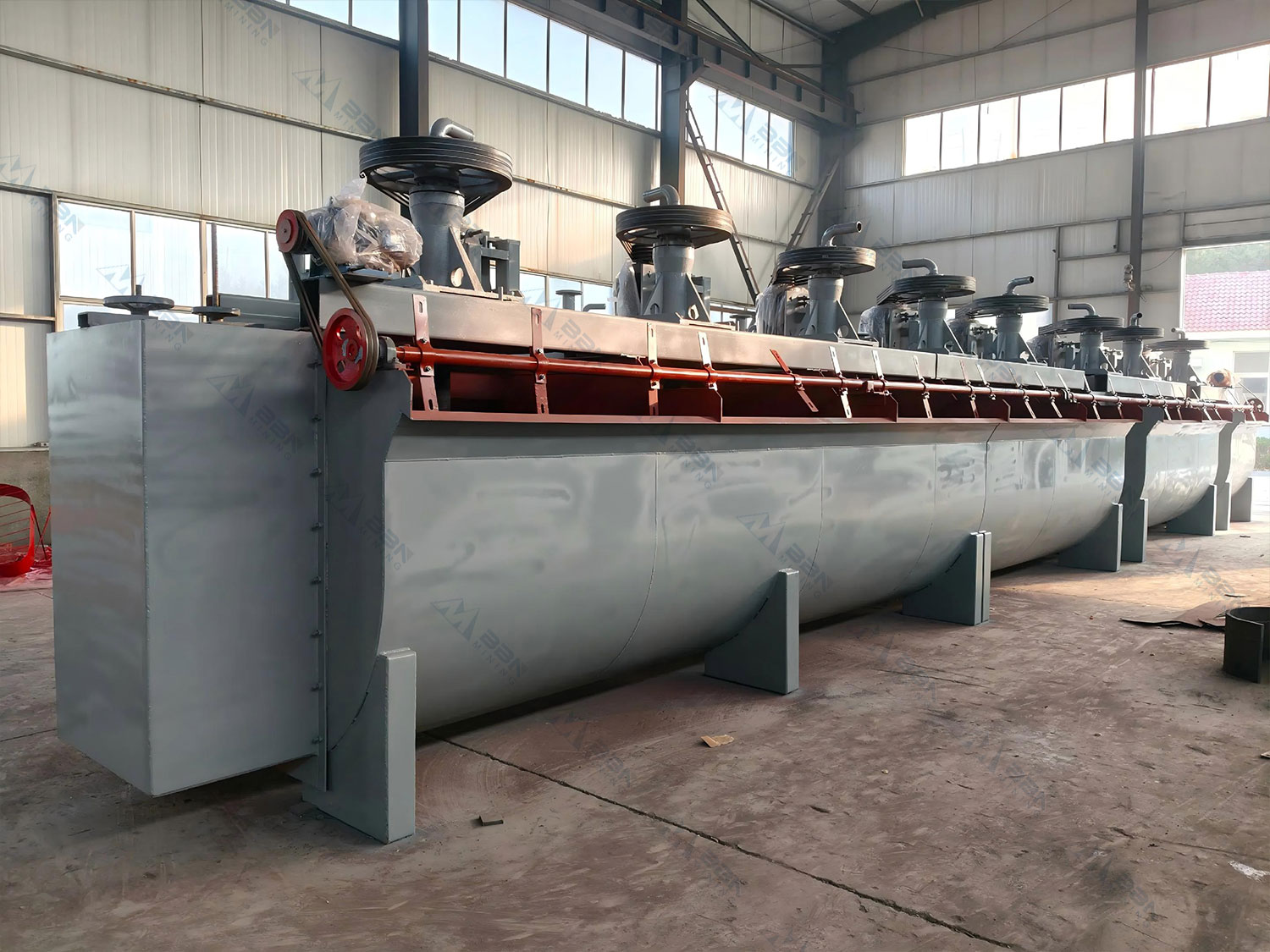
- Flotation Process: Typically consists of roughing, cleaning, and scavenging stages. Roughing initially concentrates molybdenum minerals in the ore pulp; cleaning further increases the grade of the molybdenum concentrate; scavenging recovers molybdenum minerals not recovered during roughing and cleaning.
- Notes:
- Select appropriate flotation reagents and processes based on ore properties.
- Optimize flotation conditions, such as flotation time, pulp concentration, and temperature, to improve flotation efficiency and concentrate grade.
5. Concentrate Dewatering
- Purpose: To remove a large amount of water from the molybdenum concentrate obtained through flotation for storage and transportation.
- Process:
- Thickening: Concentrators are used to thicken the solid particles in the ore pulp.
- Filtration: Filter presses are used to further dewater the thickened ore pulp.
- Drying (if necessary): Hot air or radiation is used to heat the concentrate to a certain temperature to remove residual moisture.
6. Molybdenum Concentrate Purification (Optional)
- Purpose: To further increase the purity of the molybdenum concentrate to meet specific application requirements.
- Methods:
- Chemical Purification: Involves leaching, purification, and precipitation steps to separate impurities from the main mineral through chemical reactions.
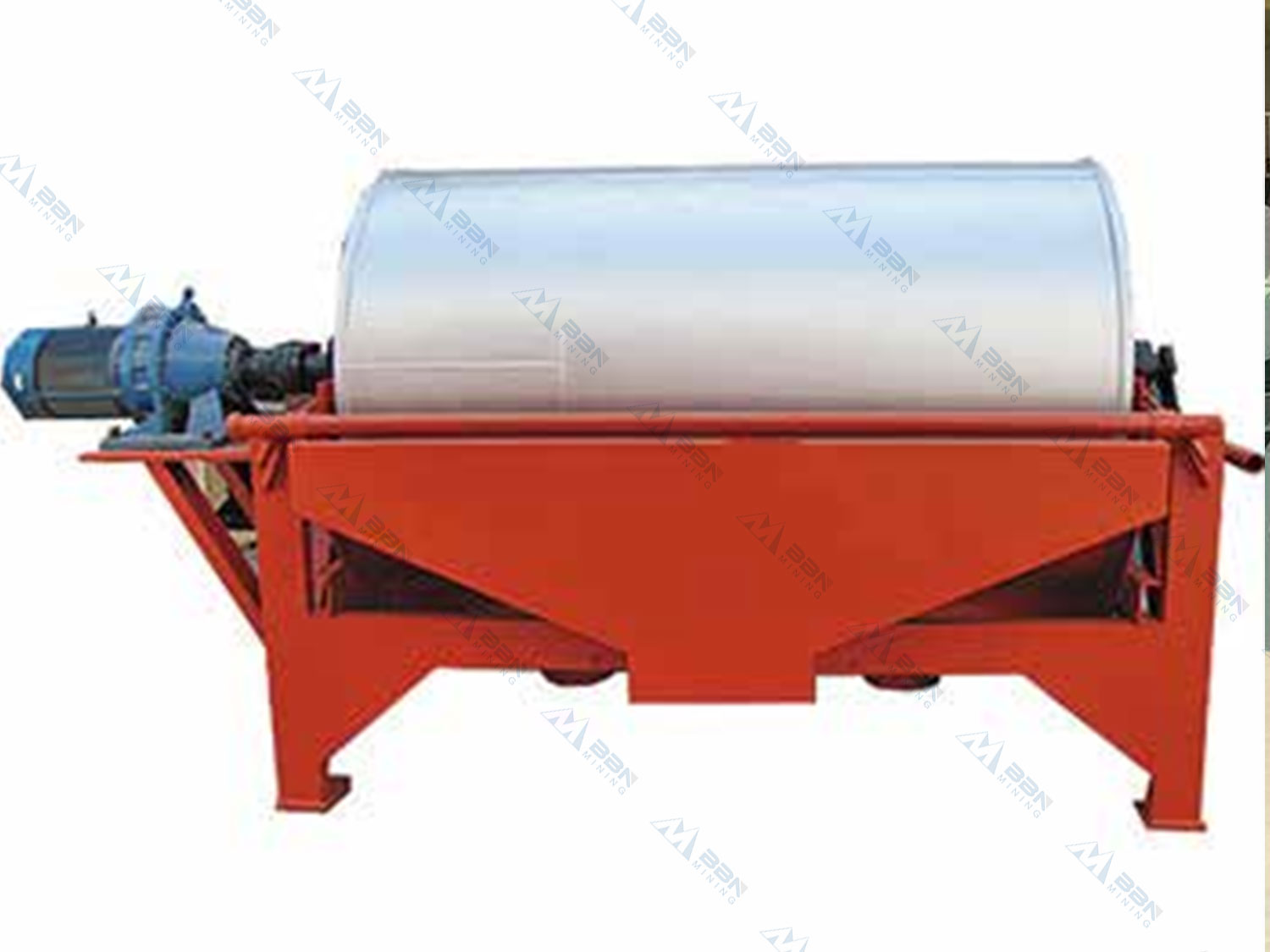
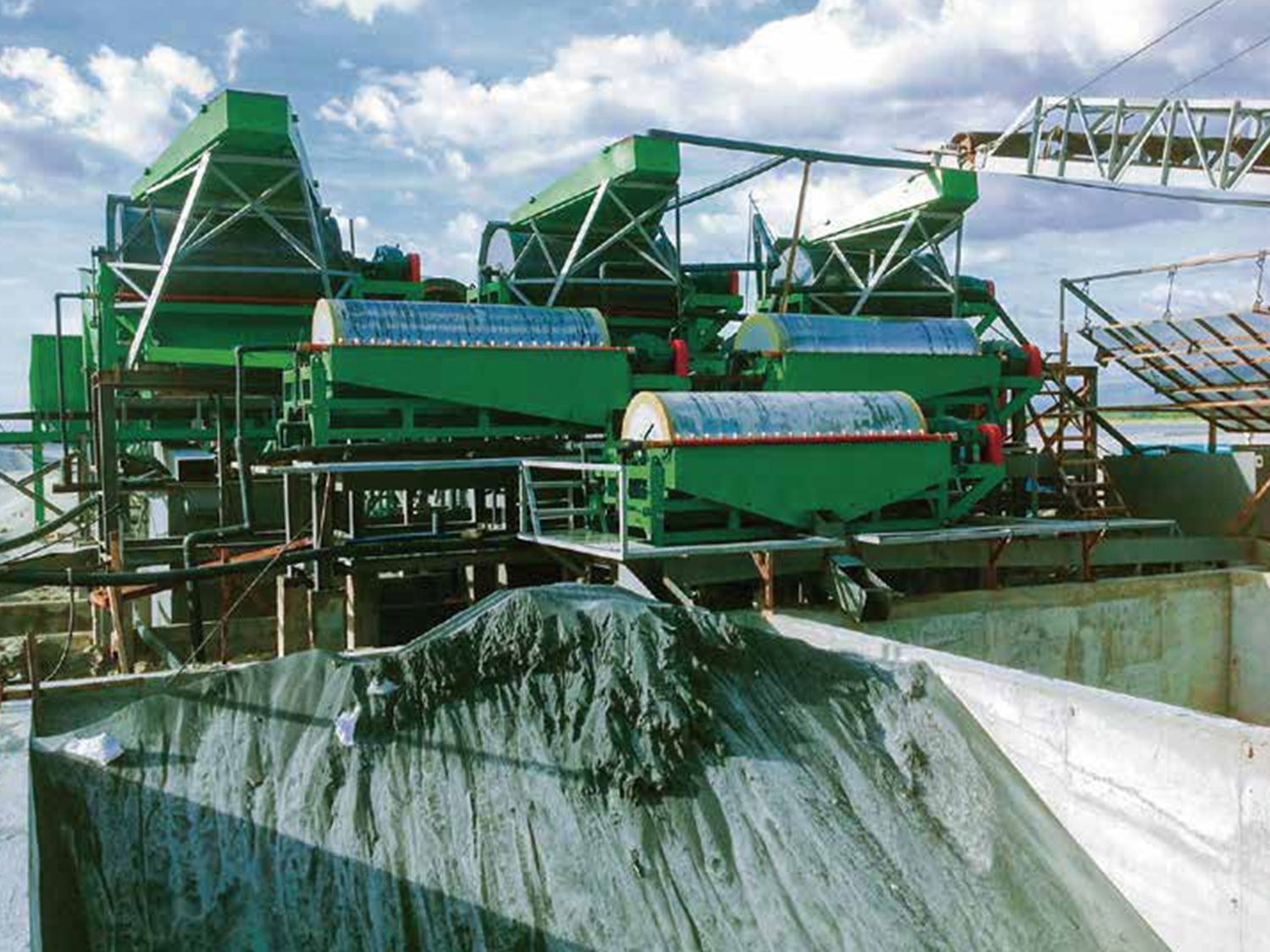
- Physical Purification: Includes gravity separation, magnetic separation, and electrostatic separation methods that exploit differences in physical properties between minerals for separation.
7. Smelting and Refining (Subsequent Steps)
- Purpose: To convert the purified molybdenum concentrate into metallic molybdenum or molybdenum alloys to meet the demands for molybdenum products in various fields.
- Methods:
- Pyrometallurgy: Involves roasting, reduction, and melting steps.
- Hydrometallurgy: Utilizes chemical reagents to react with molybdenum in the concentrate, forming soluble molybdenum salts, which are then extracted as metallic molybdenum through electrolysis or precipitation.

Equipment Knowledge
View more
2026-01-14
2026-01-14
Best Sellers
View more products