relevant cases
View more cases
Phosphate Ore Beneficiation Project in Uganda
发布时间:2026-01-14
- Industry:
- Region:
TEL
13373916823
Customer Case Details
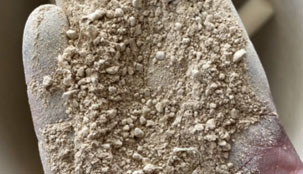
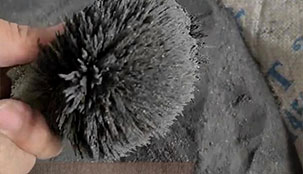
The ore in this project is rich in various metals, including iron and phosphorus. The ore consists of unconsolidated, loose weathered residual mineral fragments of igneous carbonatite and secondary minerals such as apatite, earthy hematite, and clay formed by supergene processes. The presence of a large amount of slime interferes with the separation and purification of minerals such as apatite and magnetite; the minerals are severely intergrown and interlocked, making grinding and liberation difficult; and the minerals exhibit significant isomorphic substitution, with titanium, iron, manganese, aluminum, and magnesium lattices mutually replacing each other, making the mineral composition very complex.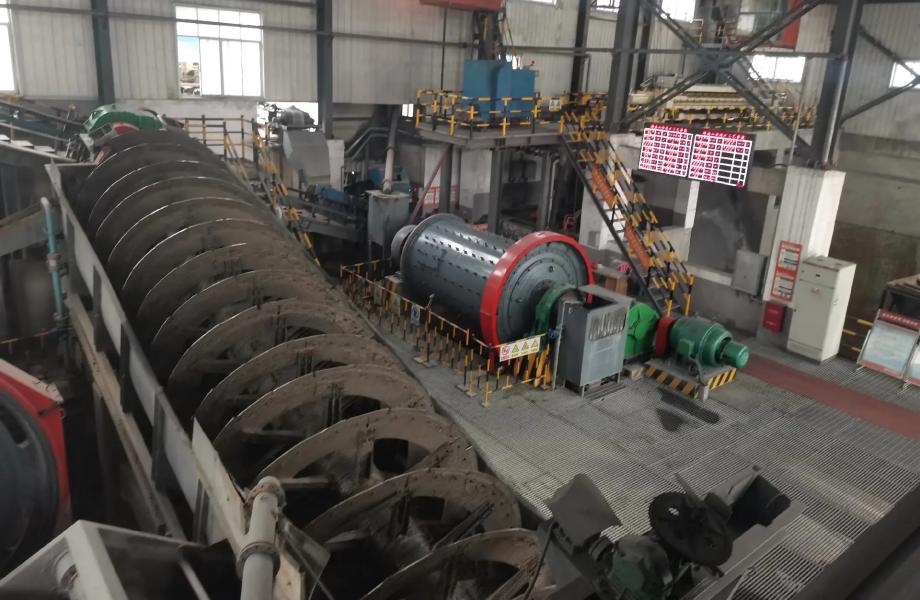
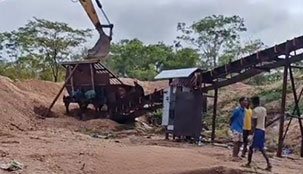
01 Desliming Stage: Raw materials are fed into the raw material bin by a loader. A belt feeder and belt conveyor are installed under the bin to transport the raw materials to a high-concentration mixing tank, where water is added to form a slurry. The evenly mixed slurry is transported by a slurry pump to a raw ore desliming hydrocyclone for desliming. The removed slime is transported to the tailings settling pond, and the underflow of the hydrocyclone flows by gravity to the ball mill for grinding;
02 Grinding Stage: The ball mill, pump, and classifying hydrocyclone form a closed-circuit grinding system. The overflow of the classifying hydrocyclone flows by gravity to a high-efficiency mixing tank. After adding reagents and mixing evenly in the mixing tank, it enters the flotation process;
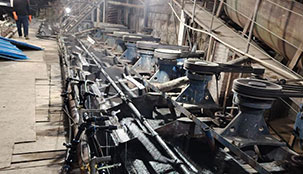
03 Flotation Separation Stage: The flotation process is a one-roughing, one-scavenging, and two-cleaning direct flotation process. The flotation concentrate is transported to the concentrate pump box by a foam pump; Concentrate and Tailings Dewatering Stage: The concentrate is transported by a concentrate pump to the concentrate dewatering system for dewatering. The dewatered product is phosphate concentrate; the flotation tailings are transported by a tailings pump to the tailings dewatering system for dewatering. The dewatered dry tailings are transported by dump trucks to the tailings storage facility, and the dewatered filtrate is returned to the production cycle for reuse.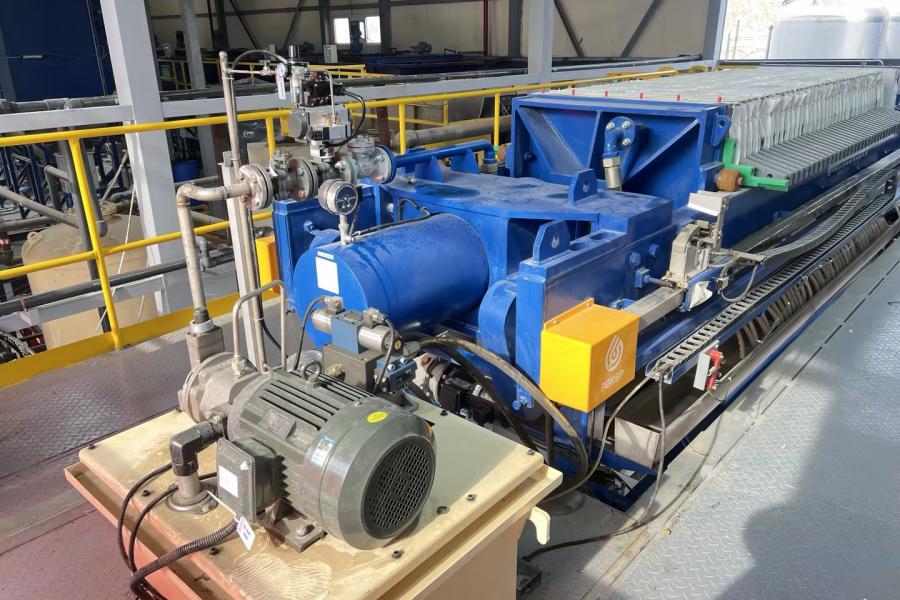
This beneficiation project adopts advanced, mature, and reliable process technology and equipment from China, ensuring the long-term, safe, stable, and continuous operation of the beneficiation plant and the production of qualified products. At the same time, while meeting the requirements of modern enterprises for the production environment, Xinhai Mining Machinery has implemented the principle of combining source control and end-of-pipe treatment to reduce pollution. The entire ore processing project requires low investment, has a short construction period, and yields quick results.
Page Down
返回列表
Related Products
View more products